August 14, 2026
Fireplaces provide warmth and comfort during cold months, yet the exhausting structure above the hearth requires consistent attention to preserve residential safety. Smoke and combustion byproducts rise through the vertical flue, depositing residue along the interior walls. When property owners ignore routine maintenance, minor structural flaws escalate into major hazards. Neglected chimneys endanger households through toxic gas exposure and structure fires.
Preventing residential disasters involves recognizing early warning signs before severe structural failure occurs. Homeowners must understand the mechanical operations of venting systems to protect their valuable real estate investments. Sourcing professional chimney services ensures that household heating appliances operate without endangering the building occupants. A careful examination of common chimney hazards reveals how routine maintenance inspections safeguard lives and preserve residential property value for future generations.
1. Creosote Accumulation and Combustion Hazards
Creosote forms when wood burns within a residential fireplace. The combustion process releases smoke, water vapor, and gases that ascend through the cooler chimney duct. As these heated emissions cool, condensation occurs along the interior brickwork and flue walls. The resulting dark, tar-like substance clings to the inner surfaces and builds layer upon layer over time. Unseasoned firewood accelerates this residue deposit, creating blockages inside the ventilation shaft.
This accumulated tar presents a significant fire hazard for any residence. Creosote is combustible, and elevated flue temperatures can ignite the thick deposits clinging to the masonry walls. An internal chimney fire burns with intense heat, capable of fracturing bricks and melting mortar joints. Flames can escape through structural cracks into adjacent roof timbers, turning a localized flue fire into a catastrophic whole-home blaze that threatens life and property.
Homeowners can identify excessive creosote through sensory clues and visual inspections around the hearth. A strong, pungent campfire odor lingering inside the living room indicates thick residue accumulation. Examining the damper door with a flashlight might reveal crusty or glazed black coatings. Smoke puffing back into the room during a fire also signals that creosote deposits are restricting airflow within the narrow flue shaft.
Eliminating creosote buildup requires mechanical scraping and specialized brushing tools designed for masonry columns. Homeowners protect their properties by scheduling professional chimney services before the autumn heating season begins. Qualified technicians remove tar layers and inspect the flue for hidden damage caused by past combustion events. Consistent cleaning prevents structural blockages, maintains optimal updraft, and stops preventable interior fires from damaging the residential structure.
2. Masonry Deterioration and Structural Instability
Exterior brickwork and mortar joints endure constant exposure to harsh outdoor elements. Moisture penetration weakens masonry structures during recurring cycles of freezing and thawing. When trapped water freezes inside brick pores, expansion cracks the surrounding material. According to HomeGuide, a properly maintained chimney's lifespan is 50 to 100 years. However, unaddressed water infiltration accelerates structural decay and shortens that operational lifespan significantly.
Compromised masonry creates severe structural and environmental hazards for the household. As mortar joints crumble, brick courses lose structural cohesion and become prone to collapse during heavy wind storms. Falling bricks endanger people on the ground and cause extensive damage to roof shingles below. Gaps in the mortar joints allow toxic combustion gases to seep into residential attic spaces and upper-level bedrooms.
Property owners can detect masonry problems by inspecting the structure from the ground and examining the roofline. Piles of sand-like mortar debris washing onto roof tiles indicate active joint deterioration. Spalling, which involves the outer face of bricks flaking off or popping out from the wall, signals severe internal moisture damage. Leaning or swaying chimney columns demand immediate structural evaluation to prevent a complete collapse.
Addressing masonry damage requires tuckpointing techniques to replace decaying mortar before moisture penetrates deeper into the wall. Homeowners who secure timely chimney services halt structural degradation and restore the strength of the brick column. Applying breathable waterproofing treatments after structural repairs prevents future water absorption without trapping internal moisture. Proactive masonry maintenance preserves the architectural integrity and stability of the chimney stack for decades.
3. Flue Liner Damage and Gas Leakage
The internal flue liner acts as a protective barrier between the hot combustion gases and the combustible framing of the house. Clay tiles, stainless steel conduits, and poured masonry mixtures serve as standard liner materials. Over time, high heat, moisture, and corrosive combustion byproducts cause clay tiles to crack or metal flues to rust, breaking the continuous protective seal inside the chimney shaft.
A damaged liner creates a lethal indoor air quality hazard by releasing carbon monoxide into living areas. This colorless, odorless gas escapes through tiny fissures in the flue tile and accumulates inside the residence. In addition, internal cracks allow sparks and superheated air to contact wooden framing studs within the interior walls, igniting concealed house fires that spread through the structure without immediate detection.
Detecting a cracked liner without professional diagnostic equipment presents a major challenge for property owners. However, small fragments of orange clay tile appearing on the fireplace floor indicate significant internal fracturing. White staining on the exterior brickwork, known as efflorescence, correlates with liner breaches that allow acidic vapor to migrate through the masonry walls. Poor draft performance also indicates flue liner obstruction.
Repairing liner damage requires either sealing internal fissures or installing a new stainless steel liner system. Property owners who book comprehensive chimney services receive video camera inspections that reveal hidden cracks along the entire flue length. Resilient metal liners resist corrosion and withstand high temperatures, ensuring that toxic smoke and carbon monoxide exit the residence without obstruction, protecting household members and preserving the home.
4. Cap and Crown Defects and Weather Penetration
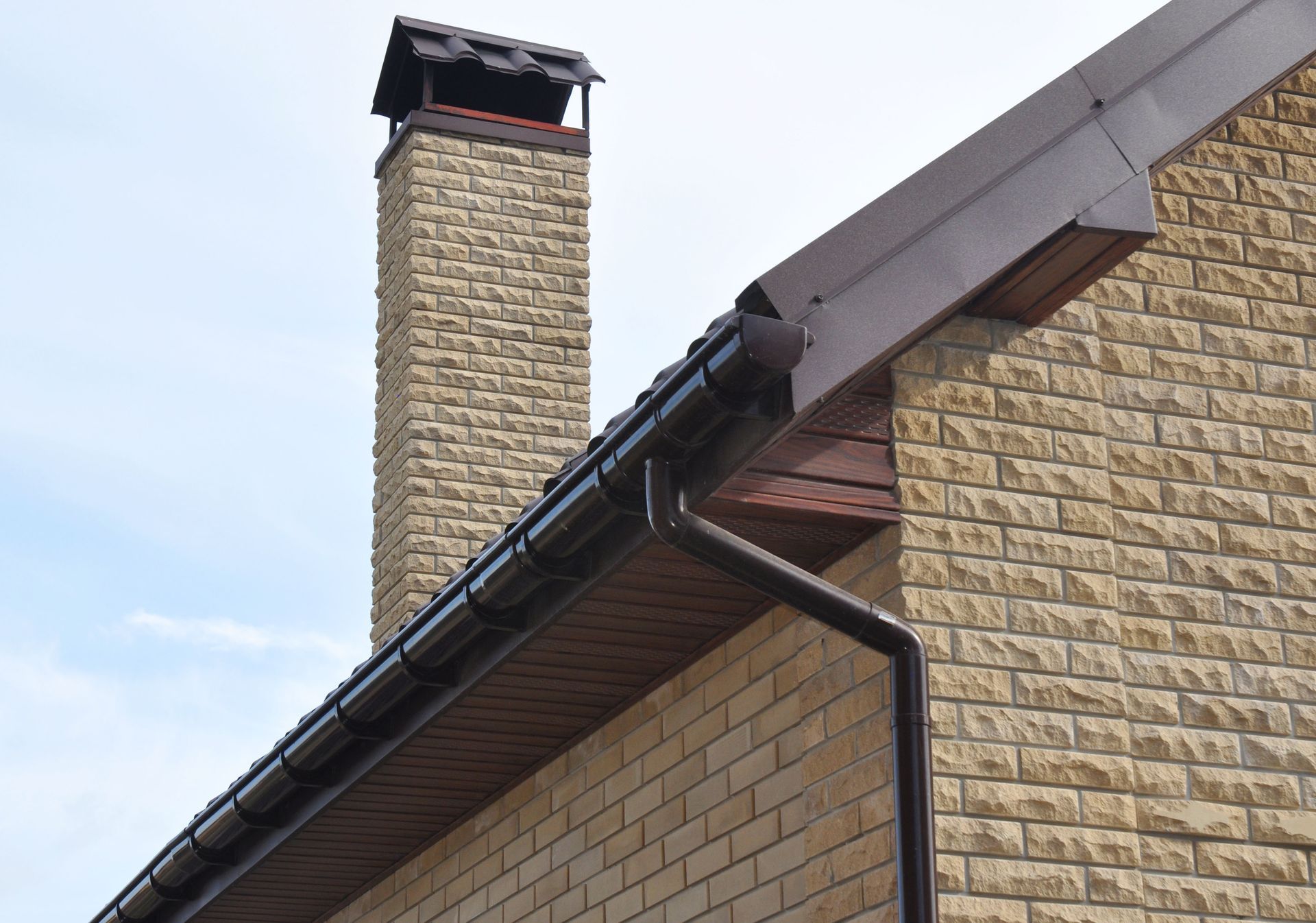
The chimney crown and cap sit at the top of the stack, serving as the primary defense against precipitation and outside interference. The concrete crown slopes outward to direct rain away from the masonry below, while the metal cap covers the flue opening. Severe weathering, freezing temperatures, and poor construction materials cause crowns to crack and caps to rust or blow away over time.
A missing cap or cracked crown transforms the chimney into an open funnel for water, debris, and animals. Rain pouring down an open flue rusts the damper assembly and soaks the firebox floor below. Birds, raccoons, and squirrels build nests inside unprotected pipes. These biological blockages trap carbon monoxide inside the living room when homeowners light a fire during the winter months.
Homeowners can spot crown and cap defects through auditory cues and interior fireplace inspections. The sound of chirping birds or scurrying claws echoing down the flue confirms an animal intrusion caused by a damaged cap. Moisture dripping into the firebox after a heavy rainstorm points toward cap failure or crown fractures. Rust stains running down the exterior brickwork indicate a corroded chimney cover.
Resolving upper-stack vulnerability requires sealing crown cracks with specialized elastomeric coatings or pouring a new concrete crown. Property owners benefit from investing in chimney services to install heavy-duty stainless steel caps equipped with mesh animal guards. A secure top assembly keeps precipitation, foliage, and wildlife out of the flue, preserving structural stability and preventing dangerous updraft obstructions during household heating cycles.
Maintaining a fireplace structure requires vigilance and a thorough understanding of potential mechanical and masonry failures. Property owners who monitor creosote buildup, brickwork decay, liner fracturing, and cap deterioration prevent hazardous conditions from developing within the residence. Relying on scheduled chimney services provides peace of mind while ensuring that combustion systems operate with maximum safety. Consistent preventive maintenance protects the physical structure from costly internal damage. At A.C. Chimney Cleaning Specialist LLC, we are dedicated to protecting your home with comprehensive chimney services tailored to your fireplace. Contact us today to schedule your safety inspection and keep your heating system operating smoothly.